
Reduce costs, maximize performance and simplify K8 management
AI/ML-powered Kubernetes infrastructure optimization
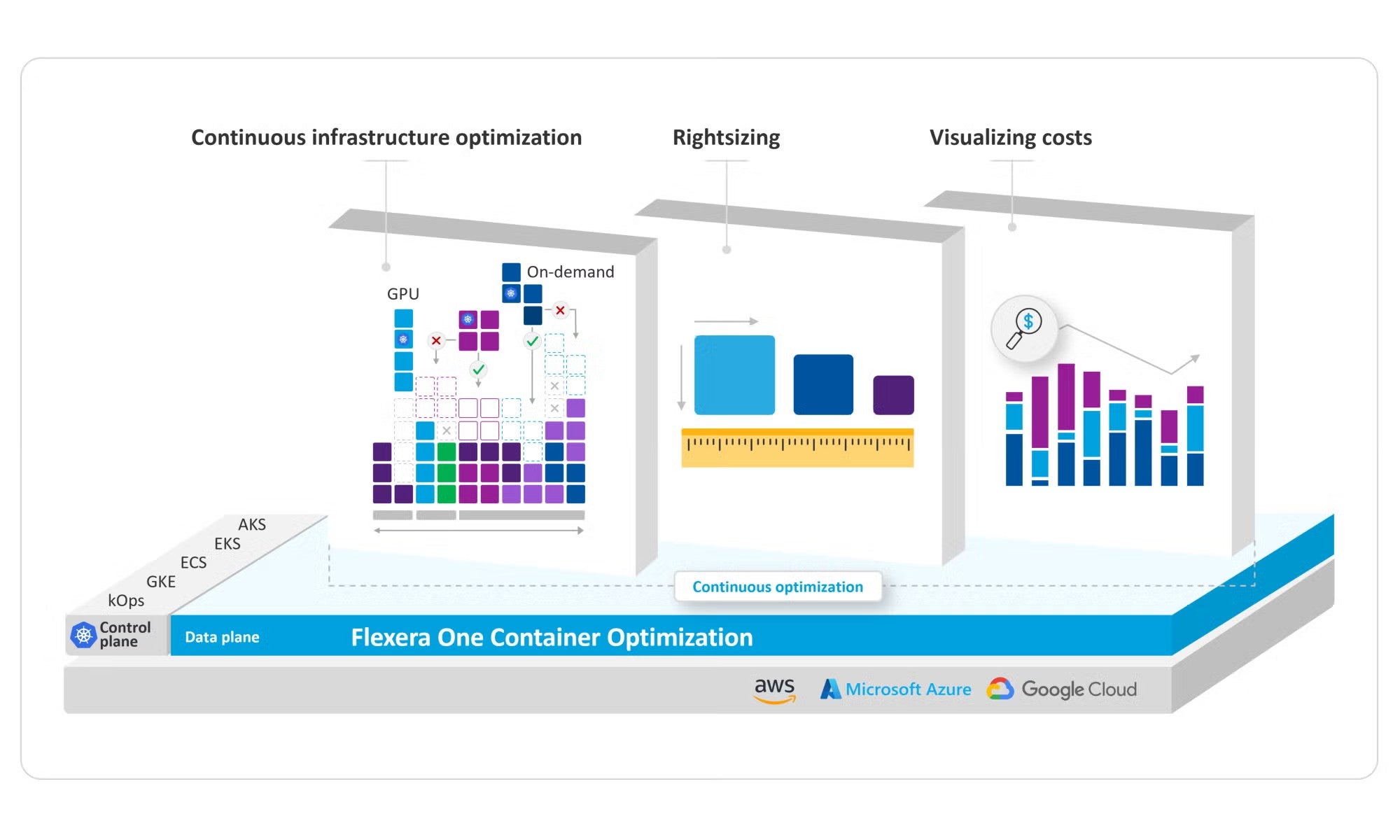
With Flexera’s continuous Kubernetes optimization solution you get a leaner more intelligent Kubernetes infrastructure to scale at unmatched speed. Machine learning (ML)-driven automation predicts usage patterns, proactively provisioning new resources and rightsizing existing workloads to maximize efficiency and costs. You’ll always get the ideal mix of instance types, sizes and pricing to deliver performance at the best possible cost.
Automate cost optimization and container infrastructure for Kubernetes dynamic workloads
Automate the purchasing of spot instances
Automate the purchasing of spot instances
Achieve maximum performance while spending less
Achieve maximum performance at the lowest possible cost. Continuously and autonomously analyze how your containers are using infrastructure, then automatically scale compute resources to maximize utilization and availability with the optimal blend of spot, reserved and on-demand compute instances. Ensure infrastructure needs align with your internal FinOps practices for improved accuracy.

AI/ML-powered container optimization
AI/ML-powered container optimization
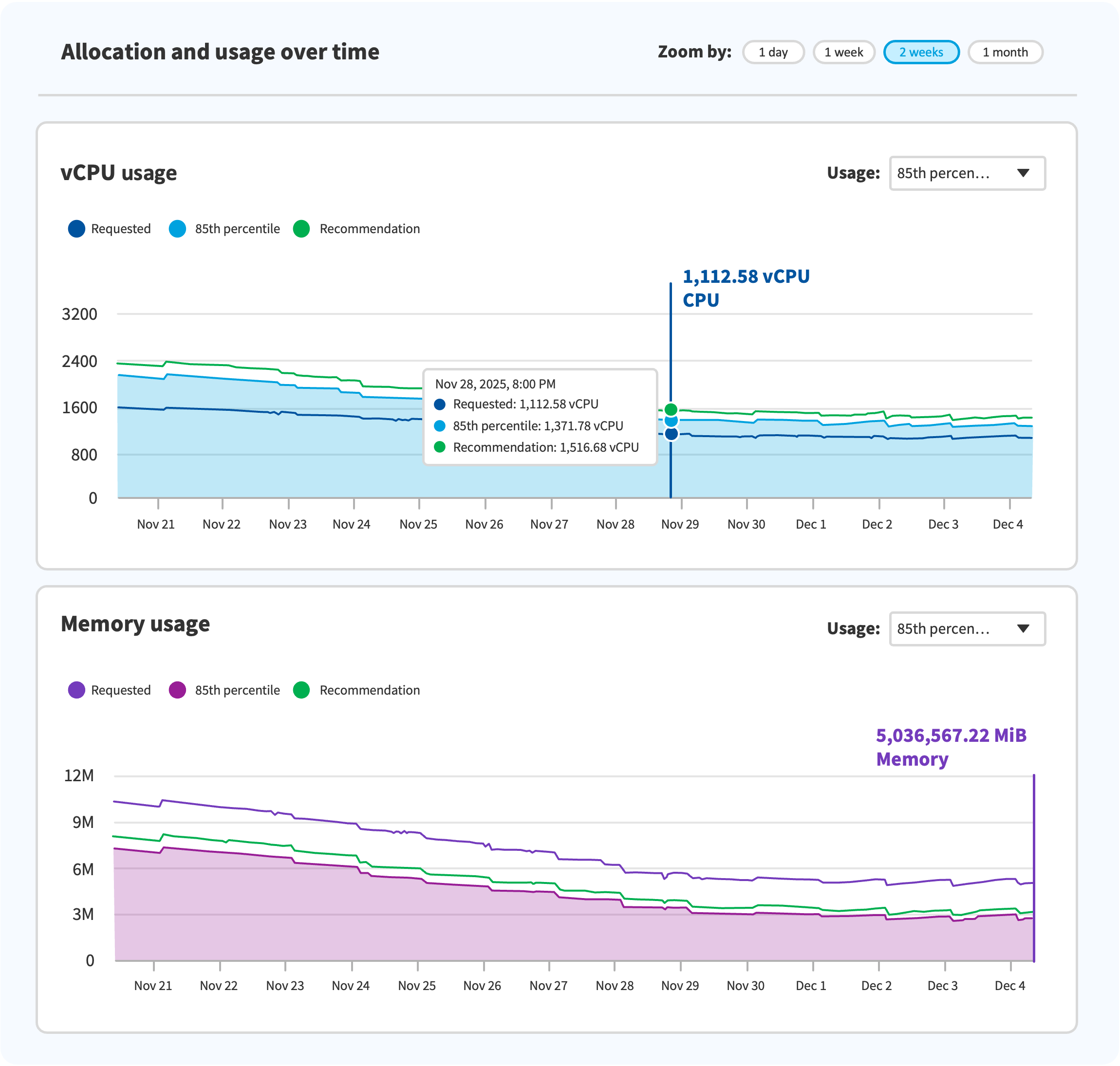
Automatically rightsize and scale Kubernetes environments
Flexera’s solution automatically monitors for pending Kubernetes pods, then adjusts the size of the cluster based on the workload constraints and labels. Flexera ensures the cluster resources are utilized and will scale down underutilized nodes for maximal cost optimization. Relieve operations teams so they can focus on delivering high-performance, reliable applications.
See and understand your container costs
See and understand your container costs
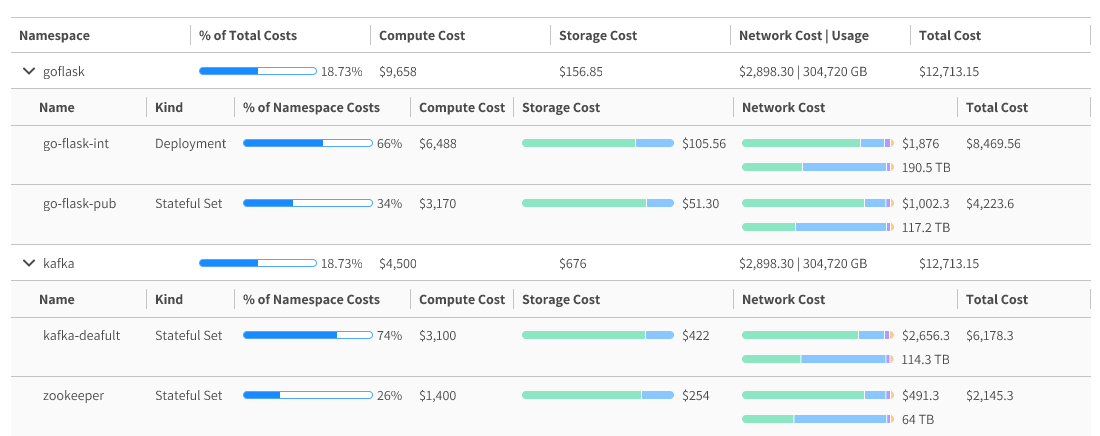
Enable data-driven Kubernetes cost insights
Get the visibility you need for a FinOps principles-aligned view into dynamic compute, storage and network resources and environments. Gain a detailed view into your current cost efficiency status, insights for potential savings and granular breakdowns of your workload cost efficiency across Kubernetes clusters or aggregated according to Kubernetes labels and annotations.
FinOps shifts left
Optimize containers and cloud costs
Flexera leads in optimizing cloud usage and cost for multi-cloud and hybrid IT. With our solution for Kubernetes optimization, we’re making it easy for FinOps and DevOps teams to collaborate and shift left. Automate Kubernetes optimization through advanced AI/ML for ultra-fast, precise auto-scaling on the best-priced available instances. The result: maximum value for your cloud investment.
Recommended products and solutions
Frequently asked questions
Optimizing cloud-native workloads in Kubernetes is complex due to the distributed nature of microservices and the dynamic resource requirements of containerized applications. Each workload may have unique CPU, memory and storage needs that fluctuate based on traffic, feature releases and business cycles. Kubernetes introduces multiple layers of abstraction—nodes, pods, services and persistent volumes—which can obscure visibility into actual resource consumption. Without timely, precise resource requests and limits, teams risk overprovisioning (leading to wasted spend) or underprovisioning (causing performance bottlenecks and instability).
Flexera One Container Optimization bridges the gap between FinOps and DevOps by aligning cloud cost governance with automated resource management.
For FinOps teams, it delivers real-time visibility into Kubernetes infrastructure costs, enabling accurate allocation, showback and chargeback across projects, teams and business units.
For DevOps and platform engineers, the solution integrates with existing CI/CD pipelines and infrastructure-as-code tools (such as Terraform and CloudFormation), automating scaling and optimization without requiring manual intervention. By supporting both Vertical Pod Autoscaler (VPA) and Horizontal Pod Autoscaler (HPA), Flexera ensures that resource adjustments are reconciled intelligently, minimizing operational bottlenecks and maximizing efficiency.
Common pitfalls in Kubernetes resource management include failing to set appropriate CPU and memory requests and limits, misconfiguring autoscaling policies and neglecting observability and logging. These mistakes can lead to resource starvation, excessive cloud spend and unpredictable application performance. To avoid these issues, teams should:
- Establish baseline metrics using tools like Prometheus and Grafana
- Implement both HPA and VPA for dynamic scaling
- Regularly review and adjust resource requests and limits based on actual usage
- Use automated solutions like Flexera One Container Optimization to continuously monitor, analyze and optimize resource allocation, ensuring workloads are neither starved nor wasteful
To maximize cost efficiency and sustainability in Kubernetes environments, organizations should:
- Continuously monitor resource utilization and adjust allocations to match actual demand
- Implement automated scaling and rightsizing using solutions like Flexera One Container Optimization
- Attribute costs to business units, projects or teams for accountability and informed decision-making
- Integrate sustainability metrics such as carbon emissions into optimization workflows to align with broader IT and environmental goals
- Foster collaboration among engineering, finance and operations teams to ensure that optimization efforts support both technical and business objectives
Boost your knowledge of FinOps for Kubernetes
Resources
Let’s get started
Discover the power of automation infrastructure optimization with a custom demo.